State News
Ohio Lawmakers Quietly Strip Renter Protections on Electric Submetering — What It Means for Richland County Tenants
By Staff · July 20, 2026
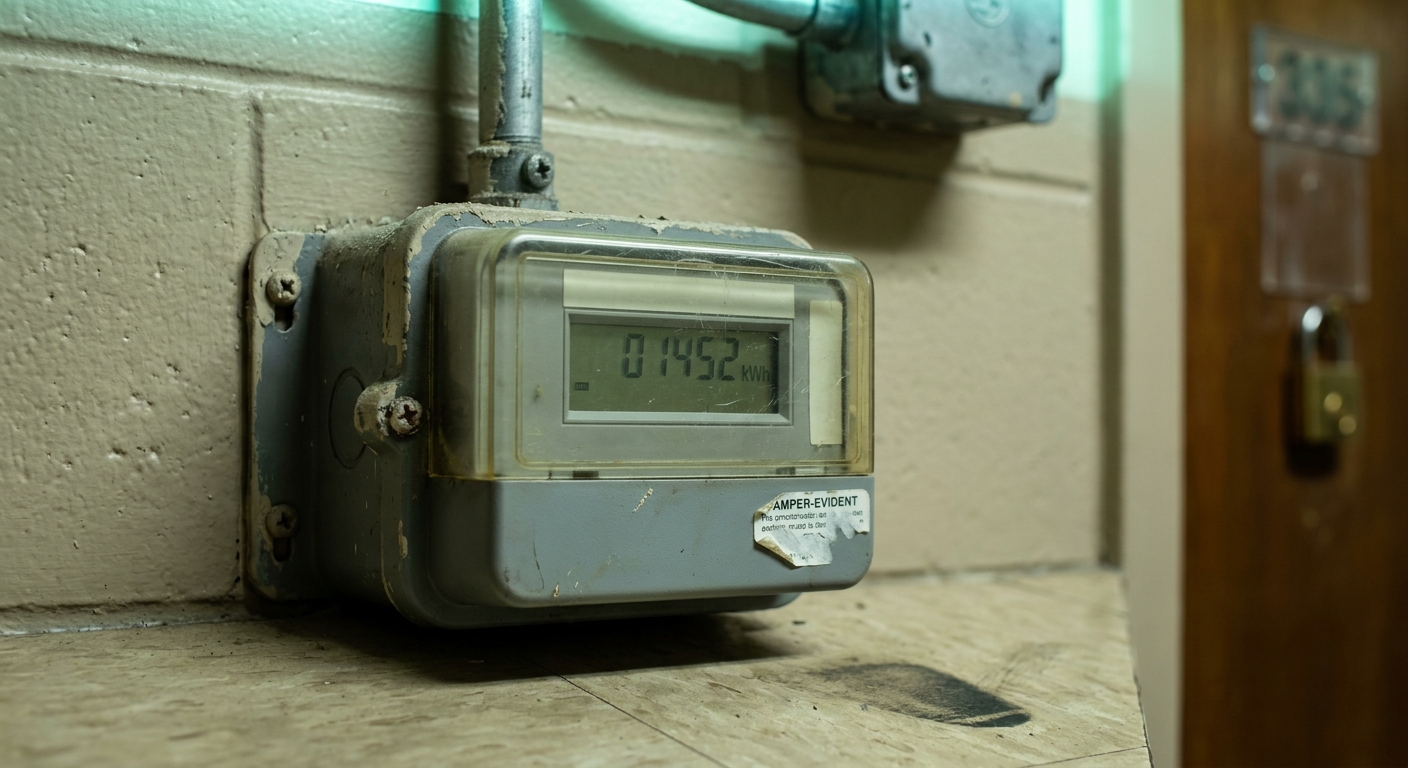
An electric bill that comes from a landlord or third-party billing company, rather than directly from a utility, can put a Richland County renter in a different legal system. On April 22, 2024, the Ohio Supreme Court unanimously ruled that companies engaged in submetering are public utilities subject to regulation by the Public Utilities Commission of Ohio. State lawmakers have since introduced House Bill 173 to reverse that decision, but the bill has only been discussed in committee — no rollback is in effect yet.
Submetering means a landlord or outside company installs its own meters, buys electricity and resells it to tenants. Rather than opening an account directly with a regulated electric utility, renters receive bills through a landlord-controlled system, leaving them vulnerable to charges and billing practices without the transparency public utilities must provide.
The Supreme Court case centered on Nationwide Energy Partners, which contracted with Columbus landlords in 2020 to provide electricity at five large apartment complexes in the Columbus area. Nationwide Energy Partners serves approximately 34,000 electric customers across 168 Ohio apartment complexes. American Power and Light serves approximately 21,000 submetered customers in Ohio. In all, companies operating statewide serve submetered apartments housing at least 55,000 Ohioans.
The court's ruling was not merely a technical label. It brought submetered renters under rate regulation and price controls meant to guard against predatory pricing. It required billing standards and transparency rules for submetering companies. It established disconnection protections, including winter heating safeguards and required notice before shutoffs. It made submetered tenants eligible for PUCO-administered programs such as the Percentage of Income Payment Plan for low-income households. It also allowed those renters to shop for electricity from alternative suppliers instead of being locked into a submetering company's supplier, while requiring public comment periods before rate increases.
The court sent the Nationwide Energy Partners case back to PUCO to decide whether the company improperly operated in American Electric Power's service territory and as an unregistered supplier — a review that could lead to penalties and additional consumer protections.
House Bill 173, sponsored by state Rep. David Thomas, R-Jefferson/Ashtabula, would exempt submetering companies from public-utility classification, directly reversing the Supreme Court's ruling. In its place, the bill would create a separate regulatory framework requiring submetering companies to charge at least 3 percent less than local utilities. It would prohibit companies from passing common-area electric costs to tenants and would keep compliance with some PUCO disconnection rules and payment programs.
But the proposed discount comes with a clear tradeoff. House Bill 173 would remove submetered renters' right to choose their own electric supplier. It would also eliminate access to certain low-income assistance programs, including the full Percentage of Income Payment Plan available to customers of traditional utilities. House Bill 265, the existing legislation that classifies utility resellers as public utilities, was vindicated by the Supreme Court's 2024 decision.
The Ohio Consumers' Counsel says the bill's promised savings do not justify a separate system for apartment renters. The Ohio Consumers' Counsel stated, "Apartment residents deserve the same utility protections. HB 173 would carve out a separate, weaker regulatory system for submetered apartment residents, creating second-class utility consumers." Maureen Willis, Ohio Consumers' Counsel, said, "The bill offered a lesser degree of regulation than current law and PUCO is already prepared to act under the court's ruling, making new weakening legislation unnecessary."
Submetering is concentrated in Columbus, Cincinnati and Cleveland, with the Columbus area accounting for most complaints and apartment complexes using the system. No public database identifies which Richland County apartment complexes or landlords use submetering or how many local tenants could be affected.
Renters who want to know their status can take direct action. Richland County renters can contact PUCO or the Ohio Consumers' Counsel to determine whether their landlord uses submetering and whether they are covered by the Supreme Court protections. Tenants can also request documentation from landlords showing whether their building uses submetering and how electric charges are calculated.
Renters who believe they are being billed unfairly can file informal or formal complaints with PUCO through its toll-free hotline or online complaint center. The Ohio Consumers' Counsel can also help tenants navigate disputes with submetering providers.
The Supreme Court protections remain in force unless and until lawmakers pass and the governor signs replacement legislation. PUCO is continuing its court-ordered review of whether Nationwide Energy Partners improperly operated in AEP's service territory and as an unregistered supplier — proceedings that could strengthen protections beyond the current ruling.