Schools & Education
State Investigating Testing Irregularities at Columbus City Schools — A Cautionary Tale for Local Districts
By Staff · July 20, 2026
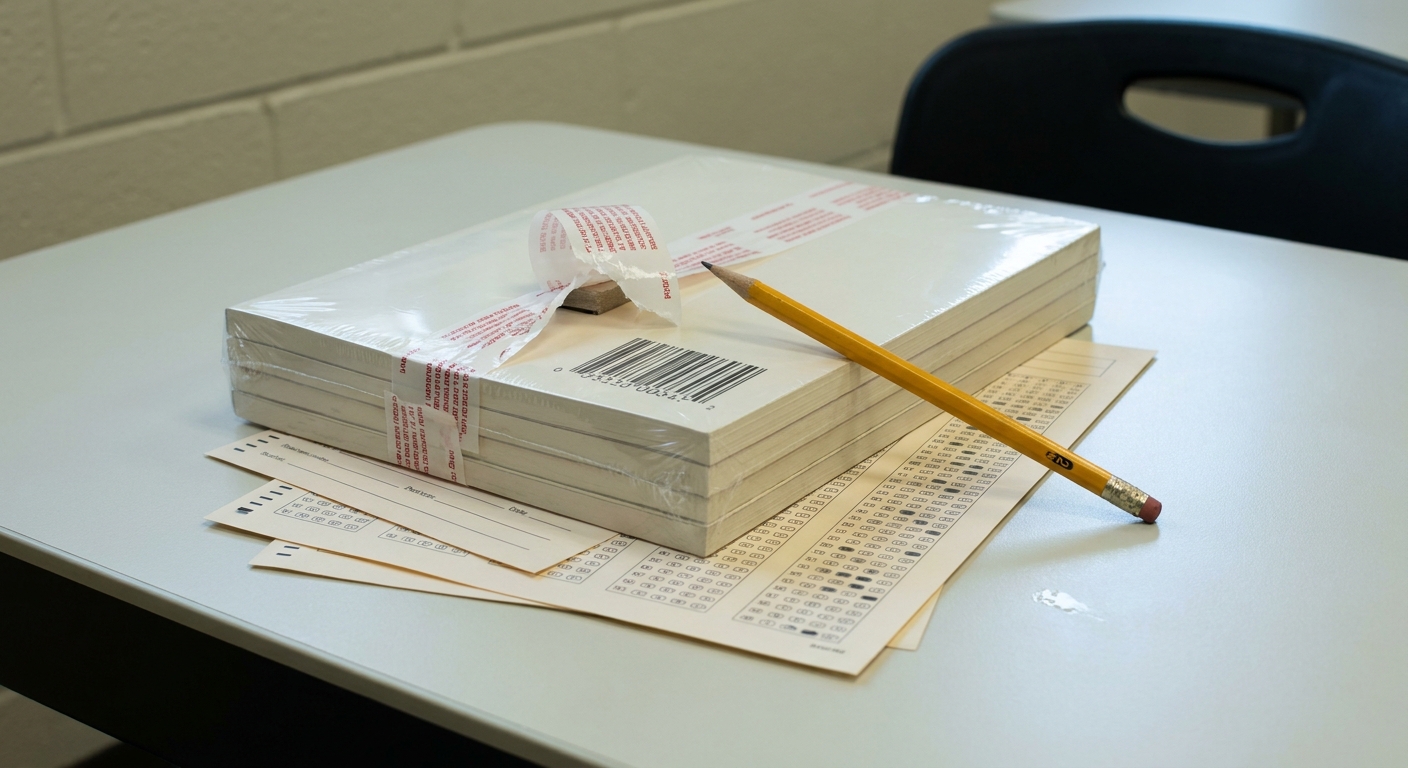
Before Ohio finalizes 2026 accountability data, Richland County school leaders face a practical question: Have they checked the records and testing practices behind the numbers their communities will see? That question is newly urgent as the Ohio Department of Education and Workforce investigates spring 2026 test results at Columbus City Schools after the district reported anomalies at Independence High School and Walnut Ridge High School.
Columbus is throwing out every spring 2026 state test score, in every subject, at both schools. The district's internal review found that some students used cell phones and other smart technology during state exams, breaking test-security rules. Concerns also surfaced over how Independence High School prepared adult proctors and students for the assessments.
"While CCS is not accusing individual students of cheating, use of phones or other tools means tests and scores must be invalidated for this entire testing group," Mike Brown, Columbus City Schools spokesperson, said. The case has been referred to the State Board of Education's Office of Professional Conduct for possible test-security violations. Students affected by the invalidations, including graduating seniors, were offered chances to retake exams over the summer or during the coming school year.
The trouble in Columbus reaches beyond two high schools. State test data drives accountability ratings, school report cards and funding decisions — making data accuracy critical for every district. Test data feeds Ohio School Report Cards through the Performance Index, which accounts for every student's achievement level, and Performance Indicators, which measure the percent of students scoring proficient or higher. EMIS data is also critical to the State Foundation Funding Formula, which dictates how state funding is distributed to local education agencies.
That gives Mansfield-area districts a short, consequential window to check their own work. The Ohio Department of Education and Workforce announced FY26 final correction opportunities for assessment and student data, opening a last chance for districts to review and correct EMIS submissions. The window closes at the end of July 2026, after which accountability data becomes final.
This is not merely a paperwork deadline. The types of review districts ought to undertake include systematic audits of all spring 2026 state test data for anomalies, verification of testing security protocols, and review of student record accuracy. Neither Mansfield City Schools, Lexington Local Schools, nor other Richland County districts have confirmed whether they are conducting such systematic reviews during the final correction window.
Parents and school board members can press for clear answers. Key questions for superintendents include what data verification protocols are in place, who is responsible for reviewing EMIS submissions, how testing security is monitored during state assessments, and whether the district is treating the final EMIS window as a substantive audit or routine paperwork.
The Columbus investigation demonstrates that self-reporting irregularities and correcting data before accountability ratings lock in is preferable to discovering errors after report cards are published. Because EMIS corrections can affect both 2026 Ohio School Report Cards and state funding, districts that identify and fix errors now avoid potential accountability penalties and funding adjustments later.