Schools & Education
Ohio Ended Fiscal Year 2026 With a $2.4 Billion Surplus. Advocacy Groups Want It Spent on Public Schools.
Mansfield City Schools, which relies heavily on state aid and faces a $4.5 million deficit, stands to benefit if lawmakers heed calls to redirect remaining surplus funds to public education.
By Staff · September 1, 2026
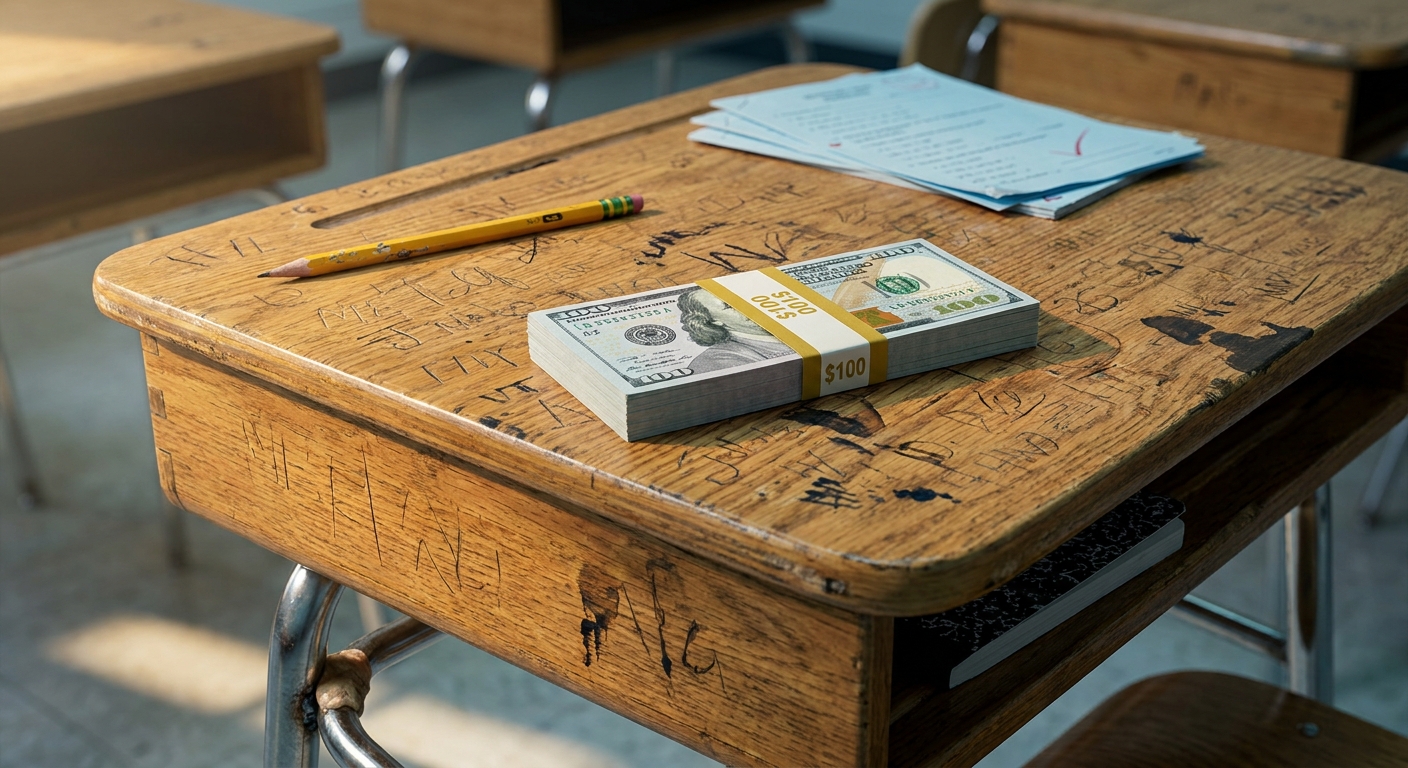
Ohio closed fiscal year 2026 on June 30 with more than $2.428 billion in unencumbered surplus revenue, according to Ohio Office of Budget and Management figures. Now two advocacy groups are pressing lawmakers to direct what remains of that windfall to public education — a demand that carries particular weight in Richland County, where Mansfield City Schools drew nearly two-thirds of its revenue from state aid and recently sought a fiscal-emergency declaration over a $4.5 million deficit.
The surplus grew from both sides of the ledger. Tax collections exceeded projections by $1.77 billion, driven chiefly by stronger-than-expected personal income and sales tax receipts. Personal income tax came in about $1.1 billion above estimates, and sales tax topped projections by $426 million. At the same time, General Revenue Fund spending finished about $778 million below budget estimates, according to the budget office's June financial report. Medicaid alone accounted for roughly $450 million of that spending undershoot.
Combined, the revenue overage and spending undershoot total roughly $2.548 billion; the $2.428 billion surplus figure is smaller because portions were obligated or committed to existing appropriations during the fiscal year.
Where the Money Went
Lawmakers moved quickly to claim most of it. House Bill 479 earmarked the bulk of the surplus for tax relief, spending initiatives, and the rainy day fund. The measure created a one-time $350 million property-tax relief fund to provide credits of roughly $450 to $475 for Ohio Homestead Exemption recipients on January 2027 tax bills. It also directed $320 million to an expanded sales-tax holiday fund, $310 million to the Ohio Health and Human Services Fund, $200 million for capital projects, and $35 million to the Budget Stabilization Fund. Those explicit line items total about $1.215 billion, leaving roughly $536 million in the year-end balance after the bill passed.
The Case for Schools
Honesty for Ohio Education, a nonpartisan statewide coalition focused on access to honest, high-quality education in supportive school environments, and the Heights Coalition for Public Education say that remaining surplus should support children living in poverty, students with disabilities, and English learners.
The coalition contends lawmakers funded public schools roughly $2.75 billion below the amount called for under the Fair School Funding Plan in the fiscal year 2026–27 budget. House Bill 96, the enacted operating budget, appropriated $14.88 billion to the Department of Education and Workforce for fiscal year 2026 and $15.30 billion for fiscal year 2027.
What It Means for Mansfield
The stakes are concrete here. State aid accounted for 62.90 percent of projected revenue in the Mansfield City Schools five-year forecast, leaving the district particularly exposed to state-budget changes and inflation pressures. The school board had asked the Ohio Auditor of State to declare the district in fiscal emergency, citing an estimated $4.5 million deficit and arguing that contractual obligations and tax-collection shortfalls made a workable fiscal-watch recovery plan unachievable. The district made about $1.2 million in reductions for fiscal year 2024–25, with additional savings tied to contract changes and school closures.
Budget cuts have stabilized the picture — for now. Mansfield City Schools ended fiscal year 2026 with about $4.95 million in cash on June 30, or roughly 36 days of operating expenses, exceeding its previously projected year-end balance. The district expects to finish fiscal year 2027 with about 69 days of cash on hand.
The Delegation's Silence
Richland County's statehouse delegation has not said whether it would push any of the remaining surplus toward public schools.
State Representative Marilyn John, whose 76th House District includes all of Richland County, supported House Bill 110 in 2021, which created the Fair School Funding Plan. "I was proud to support the creation of the Fair School Funding Plan to help ensure Ohio schoolchildren receive the best education possible," John said.
State Senator Mark Romanchuk, who represents the 22nd Senate District covering Richland County, voted for Senate Bill 450, the capital budget, which secured $5,881,500 for projects in his district and directed more than $600 million statewide to new public-school construction and facility upgrades.
Neither lawmaker has made a public statement on directing the remaining fiscal year 2026 surplus to public schools. With roughly $536 million still uncommitted and districts like Mansfield's running on narrow cash margins, whether that money reaches classrooms depends on whether any legislator is willing to make the case.