Schools & Education
Madison Schools Superintendent Warns Families of Vaping and THC Use in Middle and High Schools
The Aug. 19 letter to families follows existing handbook policies that already ban vapes and THC on campus, but leaves open what new enforcement steps the district will take.
By Staff · August 28, 2026
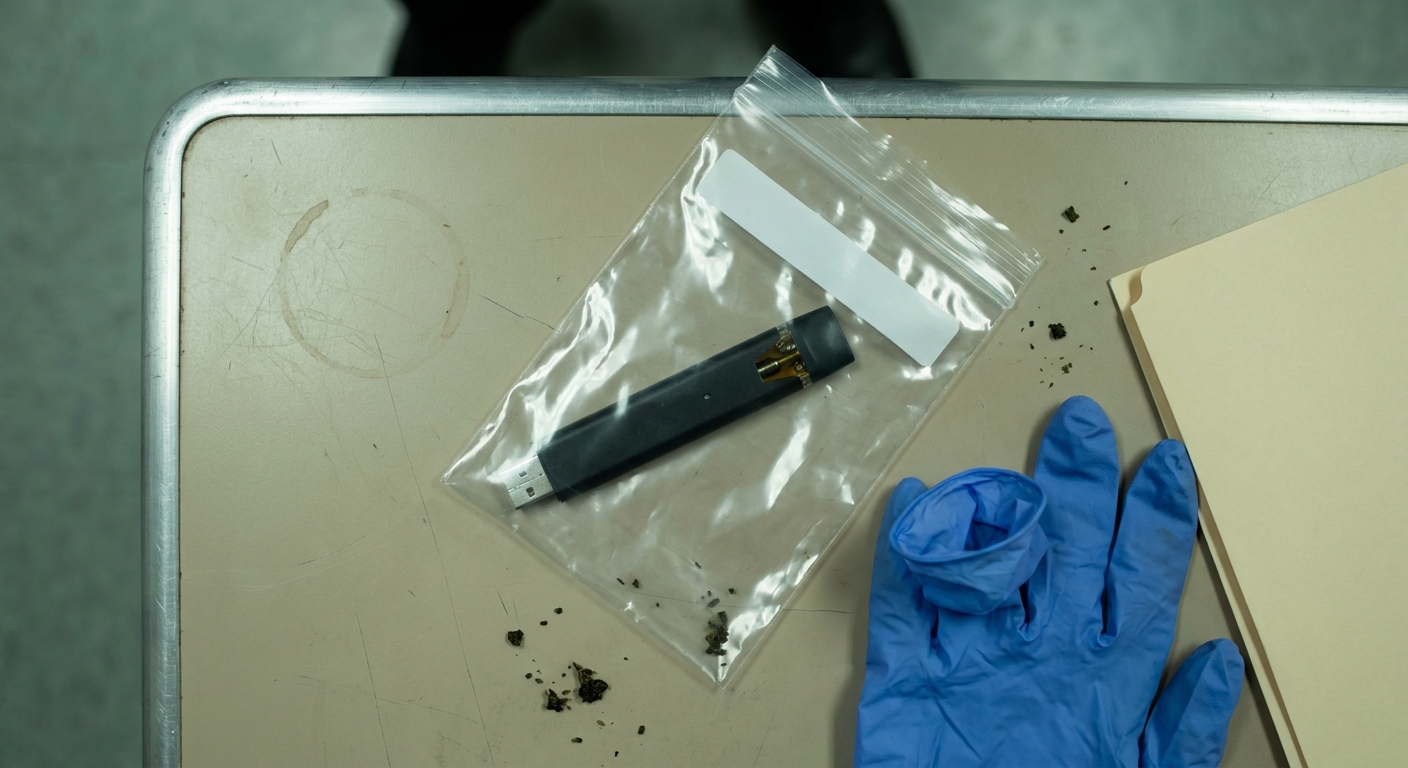
Madison Local School District Superintendent Rob Peterson sent families a letter Aug. 19 about vaping and THC use in the district's middle and high schools.
The district distributed Peterson's letter through several channels, including its districtwide live feed and the Madison Middle School feed. Madison Local, which serves Richland County, enrolled 2,661 students for the 2025-26 school year.
The letter raises a pointed question for families: what concrete steps follow?
What District Policy Already Requires
Madison's 2026-27 student handbook maintains a tobacco-free policy prohibiting all tobacco products — including vapes, e-cigarettes and Juuls — on every campus, in school vehicles and on buses, for all people at all times. Under the 2024-25 handbook for grades 6-12, possessing or using an e-cigarette or vapor cigarette in a school building or on school grounds resulted in an out-of-school suspension.
That same handbook also prohibited possessing, using, showing evidence of consuming, or being under the influence of narcotics, marijuana, look-alike drugs or other dangerous substances. When a student is suspended or expelled for drug possession, the superintendent may notify the registrar of motor vehicles and the juvenile judge.
How Other Ohio Districts Are Responding
Peterson's letter lands as districts across the state grapple with the same problem. During the 2025-26 school year, Ohio schools deployed vape detectors in bathrooms and other locations; the most common approach paired administrative notification and school discipline with counseling or cessation support rather than relying on suspension alone.
Ohio Department of Health materials recommend that schools respond to vaping incidents with confiscation, parent or guardian notification, a student chemical-health assessment, and optional education, counseling or cessation support.
Vandalia-Butler City Schools notified families in February 2025 after a law-enforcement sweep using a drug dog at Butler High School turned up two vapes containing THC. That district said its code of conduct could bring discipline, a possible substance-abuse counselor assessment and restrictions on participation in activities.
Statewide Numbers Tell a Mixed Story
Legislative testimony to the Ohio House Public Safety Committee in May 2026 put the state's high school vaping rate at roughly 20 percent — about double the national average. A separate 2026 anonymous survey of 23,982 students in grades 7-12 across Hamilton, Butler, Clermont, Highland and Warren counties found past-30-day vaping fell from 8.2 percent in 2024 to 6.1 percent in 2026. The two figures measure different populations: one is a statewide estimate cited in testimony, the other a regional survey tracking trends over time.
What Parents Can Watch For
Parents looking for signs of THC vaping at home should watch for physical indicators including red or bloodshot eyes, dry mouth, increased appetite, coughing or throat irritation, shortness of breath, drowsiness and slower reaction time. Behavioral changes — mood swings, irritability, anxiety or paranoia, reduced motivation, falling grades, secrecy, sleep disruptions and a sudden loss of interest in activities — can also signal use.
Physical evidence may include vape pens, THC cartridges or wax, small USB-like devices, unfamiliar chargers, sweet or fruity odors, and products used to mask smells such as air fresheners or mints.
For families seeking outside help, Teen Intervene offers free early intervention for young people with mild to moderate alcohol, vaping, nicotine or marijuana use through individual or small-group sessions focused on coping skills, goal setting and behavior change.
Peterson's letter puts the scope of the problem on the record. What Madison Local families still need to hear is whether the district plans to go beyond existing handbook penalties — with detection technology, counseling resources or other measures — to match the scale the superintendent himself has now acknowledged.