Local News
State Opens $120 Million Brownfield Cleanup Program — Opportunity for Mansfield's Vacant Industrial Sites
Applications close Sept. 11 for grants that could fund cleanup of contaminated former factories and commercial sites across Richland County.
By Staff · August 21, 2026
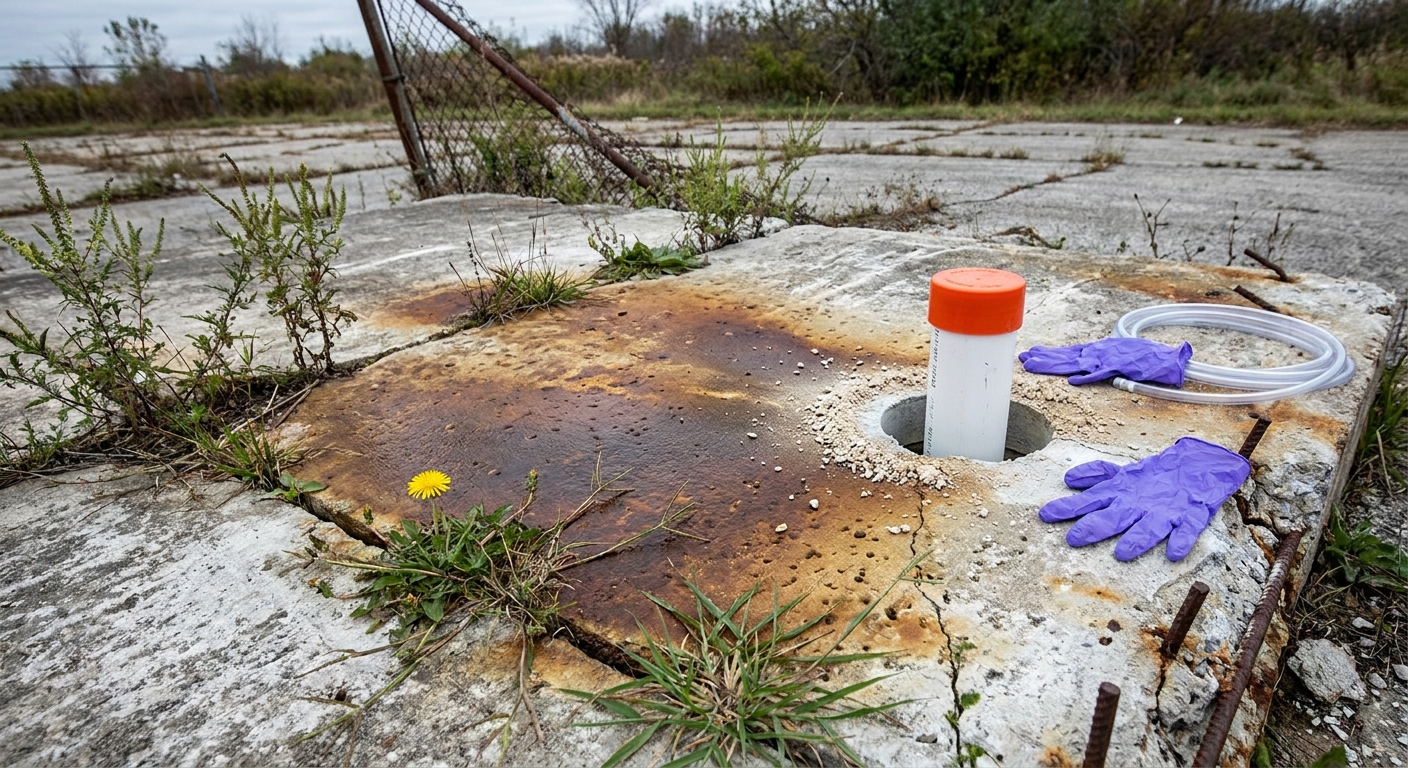
For Mansfield residents who live near long-vacant factories, former gas stations and underused commercial sites, Ohio's new brownfield funding window is a test of whether years of redevelopment talk can become cleanup work.
Ohio opened applications Aug. 11 for approximately $120 million in brownfield remediation grants through the Ohio Department of Development's Brownfield Remediation Program. Local leaders, property owners and redevelopment partners have until 5 p.m. Sept. 11 to submit applications.
The program pays to clean up abandoned, idled and underused properties so they can be put back to work. A qualifying brownfield is a property complicated by known or potential releases of hazardous substances or petroleum. House Bill 96 set aside a total of $200 million for the Brownfield Remediation Program.
Counties, municipalities, townships, port authorities, conservancy or park districts, county land reutilization corporations and for-profit organizations may apply, though the applicant generally cannot be an entity that caused or contributed to the contamination. In Richland County, the Richland County Land Reutilization Corporation is the county's brownfield lead entity.
Those rules put Mansfield's long-empty factories, commercial buildings and former industrial parcels squarely in the territory the program was built to address. But a site being eligible is not the same as a site winning an award.
The former Westinghouse Electric Products site offers a reminder of both the promise and the long haul. Vacant since 1990, the property received a $3 million brownfield remediation grant in April 2022 to clean up petroleum tanks and hazardous chemicals. The site is expected to be redeveloped into housing, businesses and/or greenspace. In 2025, the U.S. Environmental Protection Agency awarded Ohio EPA a $2 million Brownfields community-wide assessment grant, with the listed target areas explicitly including the former Westinghouse property area.
At West Park Shopping Center, cleanup money is already connected to a nearer-term plan. The deteriorated Richland County center received a $1 million brownfield cleanup and remediation grant in May 2026 to abate asbestos and demolish a vacant section. Later phases are planned for a new city park, Mansfield's only public swimming pool and modern commercial space along Park Avenue. Demolition is scheduled for fall 2026, with utility work beginning ahead of that and a wrecking ball expected by mid-October.
A former gas station site at 474 Bowman St. received $269,730 from the program for assessing and removing underground petroleum storage tanks. The property is intended for future redevelopment, with nearby planning concepts including senior housing and a new community center.
The former Ohio Brass industrial site, an approximately 10-acre property in central Mansfield that once housed an electrical and mechanical components manufacturing facility, was identified as a brownfield because redevelopment was complicated by suspected or known contamination from past industrial use. The City of Mansfield acquired the property, and environmental assessments and remediation were undertaken under Ohio's Voluntary Action Program.
Such groundwork matters because this funding round is for remediation only; assessment funding is not being offered, and sites must already have completed necessary environmental due diligence before applying.
Application requirements include property access or site control, a completed environmental assessment, a Remedial Action Plan describing the work needed to return the site to productive use, identification of a specific cleanup standard and a Clean Hands Affidavit.
That is Mansfield's real test. The state will not fund cleanup simply because a building has stood empty. It will favor applicants that can show the property is controlled, understood and ready to move from contamination to construction. No local match is required, but applications showing additional public or private investment may score better in merit review. The program uses a merit-based selection process, with scoring criteria that emphasize economic impact, project readiness, geographic distribution and local support.
In practical terms, Mansfield is competing with communities across Ohio that can point to developers, financing, neighborhood backing and a credible next use for cleaned-up land.
That competition puts the focus on whether Mansfield's public and private institutions can assemble those pieces quickly. Jodie Perry, Mansfield's 71st mayor, took office in January 2024. Jessica Gribben became President and CEO of the Richland Area Chamber & Economic Development effective March 16, 2026, after previously serving as Economic and Community Development Director. On Aug. 7, 2026, Gribben presented a biannual economic development report to the Richland County Board of Commissioners that named airport development, site readiness and housing as the chamber's top priorities for the next six months.
Mansfield and Richland County also have a statehouse connection in Marilyn John, serving her third term as State Representative for Ohio House District 76, encompassing all of Richland County, and currently serving as Majority Floor Leader.
Cleanup money could also support momentum already building downtown. The Downtown Forward initiative was awarded $5 million in Ohio Historic Preservation Tax Credits in June 2026 to help redevelop 14 historic downtown structures into 102 residential units and new commercial spaces. Construction is expected to begin soon and wrap up by late 2027. Earlier in 2026, Mansfield City Council unanimously approved a 75% tax abatement on improvements for Downtown Forward, strengthening the case for the historic preservation tax credits. Perry called the project "a landmark for the city."
Brownfield cleanup can remove environmental hazards and create development-ready parcels that integrate with housing, commercial or mixed-use projects aligned with downtown renewal. But it does not, on its own, produce homes, jobs, parks or storefronts. That depends on whether cleanup is matched with viable redevelopment plans and partners ready to carry them through.
The choice for Mansfield is not simply whether its vacant industrial land deserves another promise of renewal. It is whether local applicants can arrive with the assessments, site control, cleanup plans and partnerships the state requires. Without state cleanup dollars, Mansfield's vacant industrial properties will continue to pose environmental risks, deter private investment and sit idle while competing cities turn remediated sites into revenue-generating development.