Local News
Buc-ee's Annexation Referendum Petition Fails: What It Means for Mansfield Residents Who Wanted a Vote
By Staff · July 22, 2026
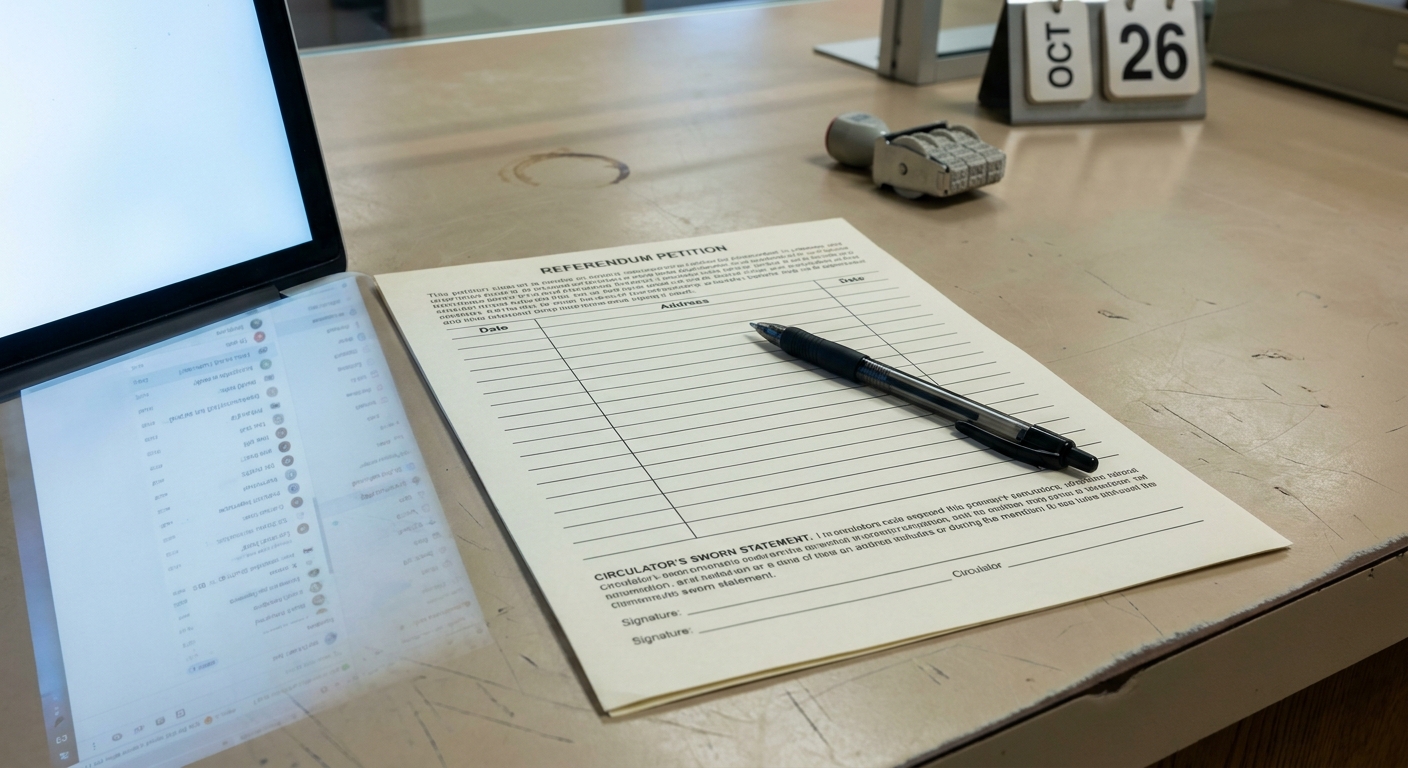
The Richland County Board of Elections ruled that a referendum petition aimed at placing the Buc-ee's land annexation on the November 2026 ballot failed to comply with several mandatory requirements of Ohio law, meaning the annexation approved by Mansfield City Council will not go before voters.
For opponents, the ruling turns a dispute over a proposed travel center into a lesson about how quickly the legal window for challenging a major land-use decision can close. The board did not rule on whether Buc-ee's should be built; it ruled that the campaign against the annexation did not complete the steps Ohio requires before voters can weigh in.
The planned Buc-ee's facility is a roughly 74,000-square-foot travel center with 120 fueling stations on a 37.5-acre parcel near the I-71/Ohio 39 interchange.
Mansfield City Council approved annexation and zoning for the parcel on June 2, 2026. Nick Stadelman, a farmer at 1556 Lucas Road in Mansfield, organized the petition effort and submitted it on June 18, 2026, sixteen days after council's vote. Opposition has focused on environmental risks, including groundwater contamination and stormwater runoff from large fuel operations, traffic congestion, light and noise pollution, property devaluation, and safety concerns. Nick Stadelman said, "The Buc-ee's development could threaten the long-term sustainability of my farming operation through environmental impacts, traffic issues, and changes to surrounding farmland."
Technical Defects That Doomed the Petition
The effort relied on approximately 1,800 online signatures from Change.org, which do not meet Ohio's legal requirement that signatures must be personally affixed in ink under Ohio Revised Code 3501.38(B). Ohio law further mandates that signatures include the date and full address with street number; signatures in pencil or with incomplete addresses are automatically invalid.
The petition included approximately 200 handwritten ink signatures but lacked a completed circulator's statement—the affirmation, under penalty of election falsification, that the circulator witnessed each signature and believes signers are qualified electors.
The Board of Elections also found a lack of verified elector eligibility among signers; only registered voters in Mansfield can sign a municipal referendum petition.
Because the petition failed these mandatory statutory checks, the board determined there were no valid part-petitions and consequently no valid signatures to certify.
Those rules are designed to leave election officials with a traceable, verifiable record. But they also create a sharp divide between public sentiment and legal standing: residents can show substantial support online and still produce no signatures that count toward a referendum.
The Compressed Timeline
Municipal referendum petitions in Ohio must be filed within 30 days of the ordinance's enactment; late filing results in immediate dismissal. Stadelman organized an online petition titled "Stop the I-71/SR 39 Buc-ee's: Protect Our Water, Land, and Community" that gathered more than 1,800 signatures. The bipartisan directors of the Board of Elections informed board members on July 14, 2026, that the petition failed to comply with Ohio law.
For residents looking to challenge a council decision on land use, the system's safeguards are meant to block invalid or fraudulent signatures—but they also require organizers to identify the ordinance, prepare compliant forms, collect ink signatures from eligible city voters, and file the paperwork within one month of council action.
No Legal Path Forward
In Ohio, there is no statutory right to appeal a Board of Elections decision invalidating referendum signatures; the only recourse is a direct challenge in the Ohio Supreme Court under its original, exclusive jurisdiction granted by Article II, Section 1(g) of the Ohio Constitution. Such challenges must be filed no later than 95 days before the election.
Under Ohio law, previously filed petitions can be withdrawn and new or combined petitions resubmitted before the filing deadline, but no additional materials—including corrected circulator statements—can be submitted after a petition is filed. The 30-day deadline expired in early July 2026, closing the window for a corrected resubmission.
Technical Barriers or Democratic Safeguards?
Ohio's ink-signature and circulator-statement requirements are designed to ensure signatures are witnessed, sworn, and verifiable—standards that protect against fraud but also require organizing expertise and resources most grassroots campaigns lack. The 30-day filing window means residents must identify a problematic ordinance, draft a legally compliant petition, gather ink signatures from registered voters, and submit—all within a month of council action.
Stadelman's campaign captured more than 1,800 expressions of opposition but produced only about 200 in the legally required format, and those lacked the mandatory circulator affidavit—leaving the board no basis for a cure or partial approval.
What Happens Next
With the petition invalidated and the 30-day challenge window closed, the annexation and zoning approved by Mansfield City Council on June 2, 2026, stand. Buc-ee's targets groundbreaking on the site in early 2028, with a planned opening in spring or the second quarter of 2028.
Residents who wanted a vote on the annexation now have no direct legal path to force a public referendum on this specific decision. Future attempts to challenge city council land-use decisions through referendum will face the same Ohio requirements: ink signatures, a completed circulator statement under penalty of election falsification, verified elector eligibility, and a 30-day filing deadline.
The referendum right remains available in future Mansfield land-use fights—but it comes with narrow conditions. For residents who want a direct vote on the next major council decision, the Buc-ee's case shows that public concern must be converted into a legally exact petition before the deadline closes.