Local News
Advocates and Business Leaders Call Ohio Childcare Costs a Crisis — Richland County's Lawmakers Haven't Weighed In
Richland County families pay roughly 56% above the recommended affordability standard, yet local state legislators have stayed silent as advocates and business groups push for action.
By Staff · August 29, 2026
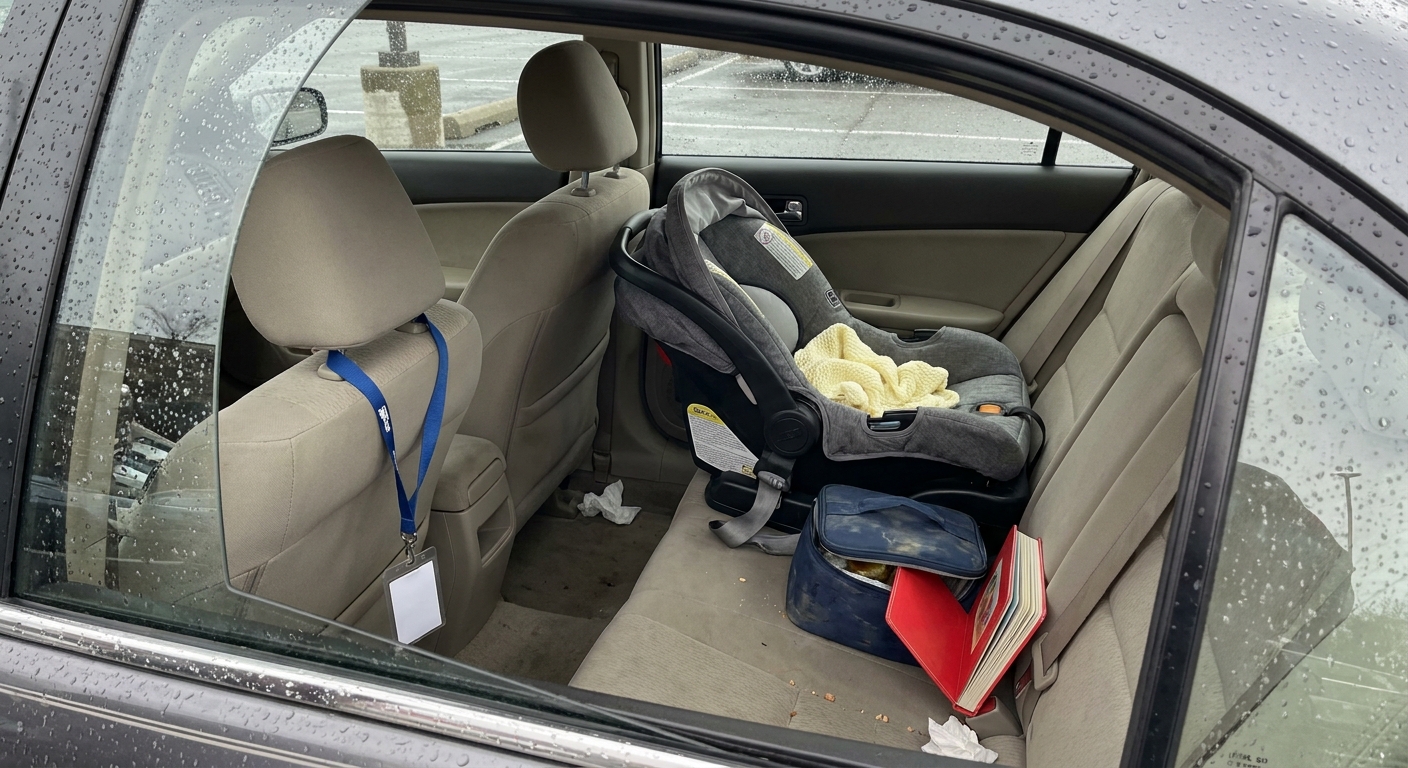
A family with two children in Ohio can spend up to a third of its income on childcare. Advocates say that figure should be closer to 8%. The gap between those numbers has united an unlikely coalition — nonprofit advocates and the state's business lobby — in declaring Ohio's childcare affordability a full-blown crisis that threatens family finances and the workforce alike.
The question for Richland County: What are the area's state legislators prepared to do about it?
A crisis by the numbers
Ohio's average annual childcare cost is just under $14,000. In Richland County, center-based infant care runs an estimated $9,523 per year and toddler care $8,779. Set against the county's median household income of $57,649 — the U.S. Census Bureau's 2019–2023 estimate in 2023 dollars — some local families spend roughly 12.5% of their income on care. That's about 56% above the 8% affordability standard advocates cite and well past the 7% federal benchmark.
"Affordable child care in Ohio should cost no more than about 8% of income," said Tasha Booker, president and CEO of Action for Children, one of the lead organizations pressing the state to act.
Richland County is classified as a childcare desert, with roughly 39 licensed Type B home providers. Statewide, more than half of Ohio children under age 6 live in such deserts — areas with limited access to licensed care.
Business leaders sound the alarm
The Ohio Chamber of Commerce has made expanding affordable childcare a legislative priority, with goals to lower costs, increase provider capacity, and develop a stronger early childhood education workforce. At the 2026 Ohio Child Care Policy Summit, hosted by Groundwork Ohio, business leaders joined policymakers and advocates to press the case.
Their argument is economic. The Chamber says childcare shortages cost Ohio billions through absenteeism, turnover, and lost tax revenue, and that scarce care is pulling workers out of the labor force. Business groups estimate the state loses about $5.4 billion annually from childcare-related workforce disruptions and employer costs.
The workforce behind that workforce is shrinking, too. Ohio's childcare workers dropped nearly 32% from 2017 to 2023, and many remaining programs operate on thin margins. A survey found 60% of Cleveland providers were operating with reduced capacity or closed classrooms because of staffing shortages.
What advocates want
Policy advocates are pushing a slate of changes in Columbus:
-
Raise eligibility. Ohio's publicly funded childcare program currently caps initial eligibility at 145% of the federal poverty level; families can remain eligible up to 300% FPL under a standard extended through June 30, 2027. Advocates want the legislature to set initial eligibility at 300% FPL so more working families qualify.
-
Cap copayments. Families using subsidized care should pay no more than 7% of household income, advocates say, with copays eliminated entirely for the lowest-income families.
-
Raise reimbursement rates. Moving provider reimbursements toward the 75th percentile of market rates would help programs stay financially stable and retain staff.
-
Shift to enrollment-based payments. Paying providers based on enrollment rather than attendance would make their revenue more predictable.
The Chamber's own priorities overlap significantly, including expanding publicly funded eligibility, using public-private cost-sharing models such as tri-share arrangements, and supporting childcare workers through benefits or incentives.
Local and state action so far
One Richland County employer is already experimenting with a solution. Purdy Construction in Mansfield is among 21 Ohio employers participating in the state's Child Care Cred Program, which splits costs through a 40% employer, 40% family, 20% state model.
In the legislature, Ohio House Bill 484 — the Workforce Investment Now (WIN) for Child Care pilot — passed the House. Sponsored by Representatives Gary Click and Mike Odioso, the bill would provide publicly funded childcare to childcare staff regardless of income.
Richland County's delegation: silent so far
State Rep. Marilyn John, a Republican serving her third term as the House District 76 representative covering all of Richland County and currently the Majority Floor Leader, has not made public statements addressing childcare affordability policy. She has not taken a public position on the advocates' proposals to expand eligibility, cap copayments, or increase reimbursement rates. Her legislative record on childcare includes sponsoring a bill to exempt military-certified providers from licensure.
State Sen. Mark Romanchuk, a Republican in his second Senate term representing Ashland, Medina, and Richland counties in District 22, has likewise not publicly addressed childcare affordability policy or the advocates' proposals. His record includes bills related to childcare safety and regulations, and he secured funding for district projects that included Foundations Community Childcare Inc.
What's at stake
If Ohio's childcare providers keep closing and no additional action is taken, the consequences are direct: fewer slots, higher tuition, more classroom closures, and more parents reducing hours or leaving work entirely. More than half the state's young children already live in childcare deserts. Richland County is already one of them.
Advocates and business leaders say they agree on the problem and the broad outlines of a fix. Whether Richland County's legislative delegation will engage with either remains an open question — one that working parents and local employers are waiting to have answered.